Fixed Wire Testing Demand Is Rising Across the UK
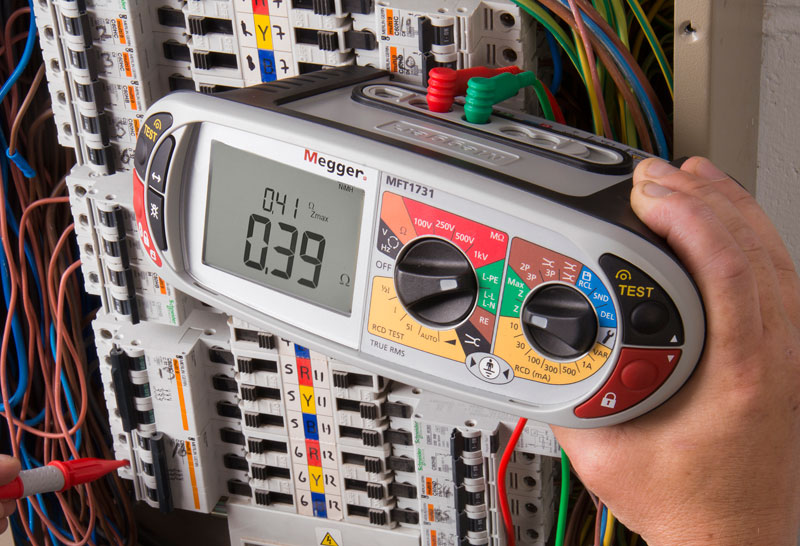
Across the UK, demand for Fixed Wire Testing—also known as EICR inspections—is climbing sharply. From small retail units to large industrial estates, businesses are increasingly prioritising electrical safety as regulations tighten, insurance requirements evolve, and awareness of electrical risk grows. This surge reflects a broader shift: electrical compliance is no longer treated as a box‑ticking exercise but as a core part of responsible business management.
1. Stricter Compliance Expectations
While the Electricity at Work Regulations 1989 have been in place for decades, enforcement has become more proactive. Insurers, landlords, and local authorities are now more frequently requesting up‑to‑date EICRs as proof that electrical installations are being properly maintained.
Many insurers will not renew commercial policies without evidence of periodic testing, especially for higher‑risk environments such as manufacturing, hospitality, and warehousing.
2. Ageing Electrical Infrastructure
A significant portion of the UK’s commercial building stock dates back to the 1960s–1990s. As wiring systems age, the likelihood of faults increases. Businesses occupying older premises are now commissioning EICRs more frequently to identify:
- Deteriorated wiring
- Outdated distribution boards
- Insufficient earthing and bonding
- Overloaded circuits
- The cost of ignoring these issues can be far higher than the cost of testing.
3. Increased Focus on Fire Safety
Electrical faults remain one of the leading causes of commercial fires in the UK. With fire safety regulations under greater scrutiny—especially following the Grenfell Tower tragedy—businesses are taking a more rigorous approach to electrical risk management.
Fixed Wire Testing provides documented evidence that electrical systems have been assessed and maintained, which is invaluable during fire safety audits.
4. Growth in High‑Load Electrical Equipment
Modern workplaces rely on more electrical equipment than ever:
- EV chargers
- High‑capacity IT systems
- HVAC upgrades
- Automated machinery
These additions place extra strain on existing circuits. As a result, businesses are commissioning EICRs to ensure their installations can safely handle increased demand.
Which Sectors Are Driving the Surge?
While demand is rising across the board, several sectors stand out:
- Manufacturing & engineering – due to heavy machinery and strict insurance requirements
- Hospitality – kitchens, refrigeration, and public safety obligations
- Commercial landlords – ensuring compliance for multi‑tenant buildings
- Healthcare & care homes – where electrical reliability is critical
- Retail – especially large stores with complex lighting and HVAC systems
These industries often require more frequent testing due to higher electrical loads or public access.
How Often Should Businesses Test?
The recommended frequency varies by environment:
- Offices: every 5 years
- Shops & retail: every 5 years
- Industrial sites: every 3 years
- Construction sites: every 3 months
- Public buildings (schools, hospitals): every 5 years
These intervals follow industry guidance, but insurers may require more frequent inspections depending on risk level.
What Businesses Gain from Regular Fixed Wire Testing
Beyond compliance, businesses benefit from:
- Reduced downtime — identifying faults before they cause failures
- Lower insurance premiums — many insurers reward proactive testing
- Improved safety — protecting staff, customers, and property
- Better energy efficiency — uncovering overloaded or inefficient circuits
- Peace of mind — knowing installations meet current standards
An EICR also provides a clear roadmap for any remedial work needed to bring the installation up to standard.
The Bottom Line
The rise in Fixed Wire Testing demand is a sign that UK businesses are taking electrical safety more seriously than ever. With ageing infrastructure, increased regulatory pressure, and growing electrical loads, periodic testing has become essentia and not optional.